Pharmacy Deserts in the City: How Urban Neighborhoods Are Losing Medication Access
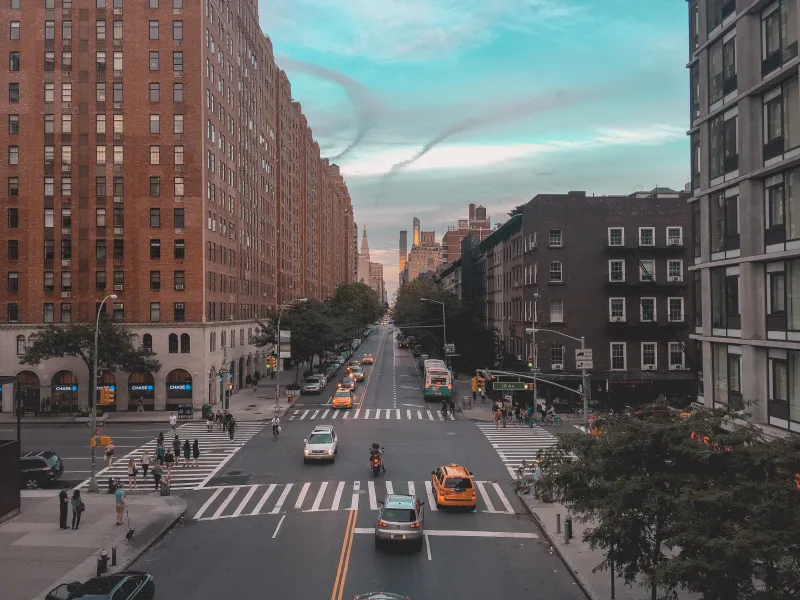
Photo: urban neighborhood pharmacy closed storefront city street minority community, via get.pxhere.com
The image of a pharmacy desert typically conjures a rural county with a single aging drugstore serving hundreds of square miles — a picture that is both accurate and increasingly incomplete. Across Chicago's South Side, in swaths of North Philadelphia, throughout sections of Detroit, Houston's Fifth Ward, and Brooklyn's Brownsville neighborhood, residents of densely populated urban areas are confronting a version of the same crisis. Pharmacies are closing. Insurance networks are narrowing. And the communities left behind are disproportionately low-income, predominantly Black and Latino, and already carrying a higher burden of chronic illness than their wealthier counterparts across town.
The urban pharmacy desert is not a footnote to the broader access story. In many respects, it is the more troubling chapter — precisely because it unfolds in cities presumed to have abundant healthcare resources, often escaping the policy attention that rural access gaps have begun to attract.
The Anatomy of an Urban Pharmacy Desert
Researchers define a pharmacy desert using criteria that account for both geographic distance and population density. In urban settings, a pharmacy desert is generally understood as a census tract where the nearest pharmacy is more than one mile away — a threshold that may seem modest until one considers the realities of urban life without reliable transportation.
A 2021 study published in the Journal of the American Pharmacists Association found that pharmacy deserts were significantly more prevalent in neighborhoods with higher proportions of Black and Hispanic residents, as well as in areas with elevated poverty rates. The pattern held across multiple major metropolitan areas, suggesting it reflects systemic forces rather than isolated local circumstances.
Those systemic forces are not difficult to identify. Chain pharmacy consolidation has accelerated over the past decade, with major retailers closing underperforming locations in neighborhoods where lower insurance reimbursement rates, higher rates of Medicaid enrollment, and elevated rates of medication theft make profitability difficult to sustain. Independent pharmacies, which have historically served as anchors in underserved communities, have struggled to compete with the purchasing power and operational scale of national chains — and have been closing at a steady rate for years.
Insurance Networks Add Another Layer of Exclusion
Geographic proximity is only one dimension of the access problem. Even in neighborhoods that retain a pharmacy, insurance network restrictions can effectively render it inaccessible. Narrow pharmacy networks — in which insurers designate a limited set of in-network pharmacies to control costs — have become increasingly common in marketplace plans, Medicaid managed care contracts, and employer-sponsored insurance.
For a patient whose nearest pharmacy is not included in their insurer's preferred network, the choice is stark: pay the full out-of-pocket cost at a convenient location, or travel to a network pharmacy that may be significantly farther away. In communities where car ownership rates are lower and public transit is the primary mode of transportation, that travel burden is not trivial. A round trip to an in-network pharmacy across town can consume hours and transit fares that represent a meaningful share of a low-income household's weekly budget.
The interaction between network restrictions and pharmacy closures is particularly damaging. When a neighborhood's only in-network pharmacy closes, affected patients are not simply inconvenienced — they are structurally excluded from their prescription benefit unless they can absorb the time and cost of traveling elsewhere. Many cannot, and many do not. Prescriptions go unfilled. Chronic conditions go unmanaged. Emergency department visits follow.
The Health Consequences Are Not Theoretical
The clinical literature on pharmacy access and health outcomes is consistent: reduced access to pharmacies is associated with lower rates of medication adherence, poorer management of chronic conditions including hypertension, diabetes, and asthma, and higher rates of preventable hospitalization. These are not marginal effects. A 2019 analysis in Health Affairs found that patients living in pharmacy deserts were significantly more likely to experience medication non-adherence, with downstream consequences for cardiovascular outcomes and overall mortality.
In urban communities already experiencing elevated rates of hypertension and diabetes — conditions that are both highly prevalent in low-income minority populations and highly responsive to consistent medication therapy — the compounding effect of pharmacy inaccessibility represents a genuine public health failure. It is also a failure that is largely invisible in aggregate health statistics, which rarely capture pharmacy access as a determinant of outcome.
Digital-First Solutions and the Equity Question They Raise
Home delivery pharmacy services have emerged as one of the most practical responses to the urban pharmacy desert. The logic is straightforward: if the pharmacy cannot be reliably accessed in person, bringing medications directly to the patient's door removes the geographic and logistical barriers entirely. For patients managing multiple chronic conditions, the ability to receive 90-day supplies of maintenance medications without navigating transportation, insurance networks, or pharmacy availability represents a meaningful improvement in their ability to stay on therapy.
At MedDelivered, serving urban patients in underserved neighborhoods is not a secondary consideration — it is a core part of what home delivery pharmacy is designed to do. The same infrastructure that serves a suburban household with reliable transportation serves an apartment in a neighborhood where the nearest pharmacy closed two years ago. Distance becomes largely irrelevant when the medication comes to the patient.
However, equity advocates are right to note that digital-first pharmacy models carry their own access conditions. Reliable internet connectivity, a smartphone or computer, a stable mailing address, and a degree of digital literacy are prerequisites that not all patients in underserved urban communities can take for granted. Broadband gaps persist in low-income urban neighborhoods. Residents of shelters, transitional housing, or households with unstable living situations may not have dependable delivery addresses. For elderly patients or those with limited English proficiency, navigating an online pharmacy interface presents real barriers.
These limitations do not diminish the value of home delivery as a tool — but they do argue for thoughtful implementation. Telephone-based ordering options, multilingual support, flexible delivery arrangements, and partnerships with community organizations can extend the reach of home delivery services to patients who would otherwise be left out of a digital-first model.
Toward a More Complete Conversation About Access
The rural pharmacy crisis has, appropriately, generated significant attention from policymakers, journalists, and public health advocates. Legislative proposals to support rural pharmacy sustainability, expand telepharmacy, and incentivize providers to serve underserved areas have gained traction in Congress and in state legislatures across the country. The urban pharmacy desert has attracted considerably less attention — in part because the assumption persists that cities, by virtue of their density, are inherently well-served.
That assumption is no longer defensible. The evidence of pharmacy closures, network gaps, and resulting health disparities in urban minority communities is sufficiently robust to demand a policy response commensurate with the one being developed for rural areas. Medicaid managed care networks should face scrutiny regarding the geographic adequacy of their pharmacy networks in urban areas. Chain pharmacy closure decisions should trigger community impact assessments in designated underserved zones. And home delivery pharmacy services should be recognized — and supported — as a legitimate component of the healthcare access infrastructure for urban patients, not merely a convenience for those who already have options.
Access to medication is not a rural problem or an urban problem. It is an equity problem, and it demands solutions that follow patients wherever they live.