The Invisible Danger in Your Medicine Cabinet: How Fragmented Prescription Records Put Patients at Risk
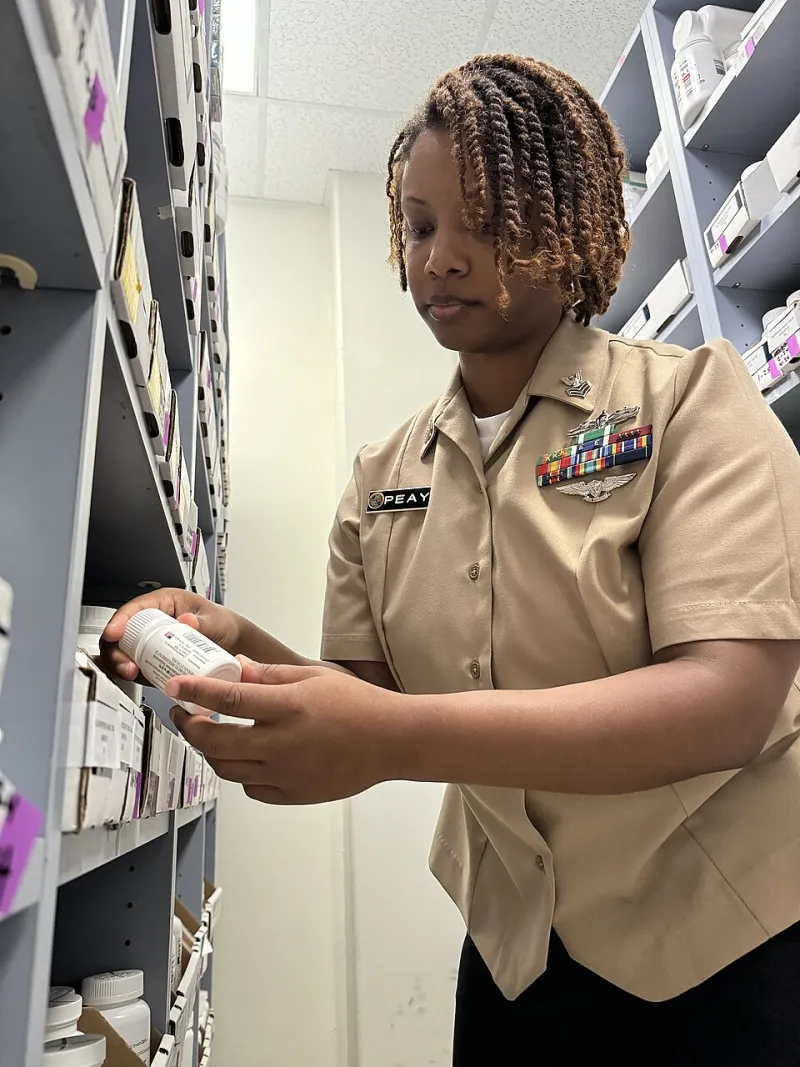
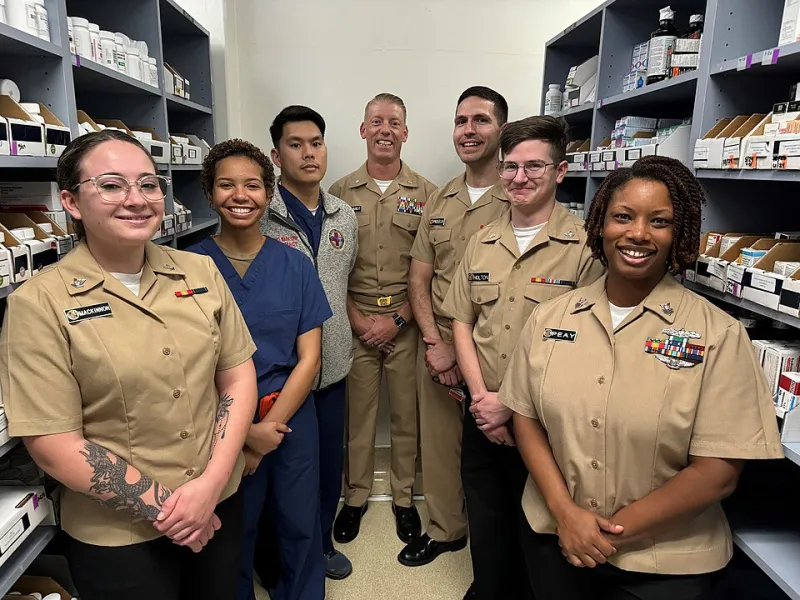
Photo: U.S. Navy NMRTC by Emily McCamy, Public domain, via Wikimedia Commons
In the spring of 2019, a 71-year-old woman in suburban Ohio was hospitalized with a severe bleeding episode that her physicians initially struggled to explain. She was not a known bleeder. She had no history of coagulation disorders. What she did have was a cardiologist who prescribed warfarin through a hospital-affiliated pharmacy, a rheumatologist who prescribed a new course of fluconazole through a retail chain, and a primary care physician who had recently added a non-steroidal anti-inflammatory drug through a third location. No single pharmacist had visibility into all three prescriptions simultaneously. The combination, well-documented in clinical literature as dangerous, had slipped through every gap in the system.
She survived. Many patients in comparable situations do not.
Why Fragmentation Happens — and Why It Persists
The American healthcare system does not operate as a unified network. Prescribers use different electronic health record platforms that communicate imperfectly, if at all. Specialist physicians frequently prescribe through their affiliated dispensing systems without reference to what a patient's primary care provider has ordered. Patients themselves often fill prescriptions wherever is most convenient in a given moment — a chain pharmacy near work, an urgent care clinic's on-site dispensary, a mail-order service for maintenance medications, and a local independent pharmacy for everything else.
The result is a landscape in which a patient's complete medication list exists, in full, nowhere. Each individual dispenser sees only the fragment they have filled. And in that invisibility, dangerous combinations go undetected.
This is not a niche problem. Research published in the Annals of Internal Medicine has found that a substantial proportion of adverse drug events in outpatient settings involve drug-drug interactions that were theoretically preventable — interactions that a unified dispensing record would have flagged before the prescription was filled.
The Clinical Mechanics of Interaction Risk
Drug interactions operate through several distinct mechanisms, each with its own potential for harm. Pharmacokinetic interactions occur when one drug alters the way the body absorbs, distributes, metabolizes, or eliminates another. The antibiotic clarithromycin, for example, inhibits the cytochrome P450 3A4 enzyme pathway, which is responsible for metabolizing dozens of commonly prescribed medications. A patient taking a statin for cholesterol management who receives clarithromycin for a respiratory infection may suddenly face dramatically elevated statin blood levels — raising the risk of rhabdomyolysis, a potentially fatal breakdown of muscle tissue.
Pharmacodynamic interactions, by contrast, occur when two drugs produce additive or opposing effects at the same physiological target. Combining multiple central nervous system depressants — benzodiazepines, opioids, certain antihistamines, muscle relaxants — amplifies sedation and respiratory depression in ways that individual prescribers, each seeing only their own prescription, may not anticipate.
The Ohio patient's case involved both types: fluconazole's inhibition of warfarin metabolism, compounded by the antiplatelet effects of the NSAID, produced a bleeding risk that was the predictable arithmetic of three known mechanisms — visible only to someone holding all three prescriptions at once.
Cases That Should Not Have Happened
The medical literature and patient safety databases are populated with cases that share a common thread: harm that was preventable, had a complete medication record existed.
A 58-year-old man in Florida prescribed methotrexate for rheumatoid arthritis was simultaneously given trimethoprim-sulfamethoxazole by an urgent care provider treating a urinary tract infection. Both drugs suppress folate metabolism; together, they precipitated severe pancytopenia — a dangerous reduction in all blood cell types — requiring hospitalization. The urgent care provider had no access to the rheumatology record.
A 44-year-old woman in Illinois taking the antidepressant sertraline was prescribed tramadol for post-surgical pain through her orthopedic surgeon's affiliated pharmacy. The combination carried a documented risk of serotonin syndrome — a potentially life-threatening condition characterized by agitation, elevated heart rate, and hyperthermia. She experienced a moderate episode, attributed initially to anxiety, before the interaction was identified.
In both cases, the prescribers were not negligent. They were operating with incomplete information — a structural deficiency, not a clinical one.
The Role of Consolidated Pharmacy Records
This is where the architecture of pharmacy dispensing becomes a patient safety issue, not merely a logistical one. A pharmacy platform that holds a patient's complete prescription history — every active medication, every recent fill, every known allergy — is positioned to perform interaction screening across the entire medication profile, not just against the most recently submitted prescription.
Home delivery services that serve as a patient's single, consolidated pharmacy partner offer a meaningful structural advantage in this regard. When all prescriptions flow through one dispensing system, the pharmacist reviewing a new order can evaluate it against everything that patient is currently taking. Automated interaction screening tools, which all licensed pharmacies are required to use, function best — and catch the most — when the data they screen is complete.
The contrast with fragmented dispensing is stark. A pharmacist at a retail chain location reviewing a new prescription for a patient who fills three other medications elsewhere has no mechanism, under current systems, to know what those other medications are — unless the patient volunteers the information, which patients frequently do not, often because they do not know it is relevant.
What Patients Can Do Today
While systemic solutions — interoperable health records, mandatory prescription drug monitoring program integration across all drug classes, unified patient medication databases — remain works in progress at the policy level, individual patients are not without recourse.
The most impactful single action a patient can take is to consolidate all prescription fills at one pharmacy. Whether that pharmacy is a local independent, a national chain, or a home delivery service, the goal is identical: ensure that one entity holds a complete and current record of every medication being taken.
Patients should also maintain a personal medication list — including over-the-counter drugs, supplements, and vitamins — and present it at every clinical encounter, including urgent care visits, specialist appointments, and emergency department evaluations. Many dangerous interactions involve not just prescription drugs but combinations of prescription and non-prescription agents.
For patients managing complex regimens across multiple specialists, requesting a formal medication reconciliation review from a primary care provider or clinical pharmacist at least annually can surface potential interactions before they produce clinical events.
Services like MedDelivered are built around the principle that a patient's medications should be managed as a unified whole — not as disconnected transactions scattered across an indifferent system. That principle is not merely a service feature. In cases like those described above, it is the difference between a close call and a catastrophe.
The Standard We Should Demand
The technology to prevent most drug interaction harms already exists. The clinical knowledge is well-established. What has been missing, in too many cases, is the structural commitment to ensuring that the right information is in the right place at the right moment a prescription is dispensed.
Consolidated pharmacy records are not a luxury. They are a basic precondition of safe medication management — and every patient deserves access to a dispensing system built on that foundation.