Left Without a Lifeline: The Rural Pharmacy Crisis and What It Means for Millions of Americans
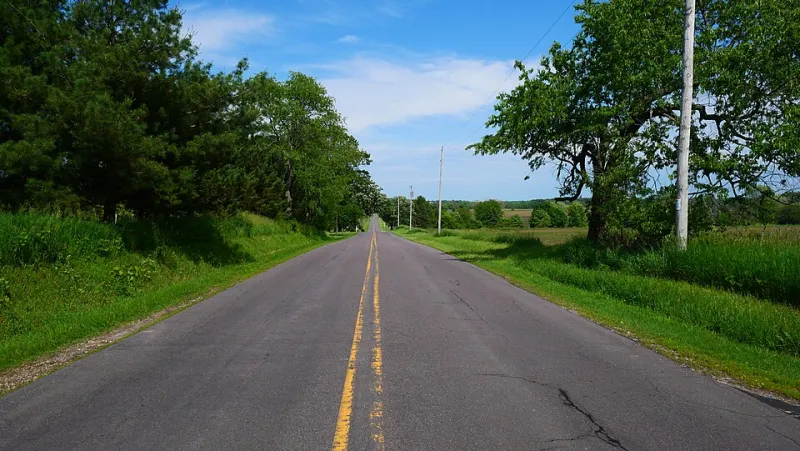
Photo: Goose Green Photography, CC BY-SA 4.0, via Wikimedia Commons
In Harlan County, Kentucky, a 68-year-old retired coal miner named Gerald drives 47 miles each way to fill his blood pressure medication. The independent pharmacy that once operated six blocks from his home shuttered three years ago. The nearest chain store closed the following year. Gerald does not own a computer, and his cell signal is unreliable. For him, the concept of "convenient medication access" is not a consumer preference — it is an unresolved medical necessity.
Gerald's situation is not an outlier. It is, increasingly, the norm.
A Map With Too Many Gaps
The United States is home to more than 60,000 retail pharmacies, yet their distribution is profoundly uneven. According to data from the National Community Pharmacists Association, rural communities have lost hundreds of independent pharmacies over the past decade, with closures accelerating sharply following the economic pressures of the COVID-19 pandemic, rising operational costs, and the dominance of pharmacy benefit managers that have squeezed reimbursement rates to unsustainable levels.
The result is what health researchers now call a "pharmacy desert" — a geographic area where residents must travel significant distances, often exceeding 10 miles in urban contexts and far more in rural ones, to reach a dispensing location. A 2021 analysis published in the Journal of the American Pharmacists Association found that rural residents are disproportionately represented among those living in pharmacy deserts, with certain counties across Appalachia, the Mississippi Delta, the Great Plains, and the rural Southwest facing the most severe shortages.
The consequences are not abstract. Patients with chronic conditions — diabetes, hypertension, heart disease, COPD — depend on consistent, uninterrupted medication regimens. When the infrastructure supporting that consistency disappears, health outcomes follow.
The Human Cost of Distance
Medical researchers have long understood that transportation barriers are among the most powerful predictors of medication non-adherence. A patient who must arrange a ride, take a day off work, or navigate icy mountain roads to collect a 30-day supply of insulin is, statistically, a patient who will eventually miss doses. And missed doses carry clinical consequences that compound over time.
In rural Texas, community health workers have reported patients rationing insulin because they cannot reliably make the trip to the nearest pharmacy in time for refills. In rural Montana, dialysis patients have described skipping ancillary medications — phosphate binders, blood pressure agents — because the logistics of obtaining them feel insurmountable alongside the demands of thrice-weekly treatment.
These are not stories of patient negligence. They are stories of systemic failure.
Mail-Order as a Lifeline — With Caveats
Into this gap, mail-order and home delivery pharmacy services have stepped with genuine promise. For patients with stable, long-term prescriptions — maintenance medications for chronic conditions — the model offers a compelling alternative to the exhausting logistics of in-person pharmacy visits. Medications arrive at the door, often in 90-day supplies, eliminating both travel and the risk of running out between fill cycles.
For Gerald in Harlan County, a neighbor's assistance in setting up a home delivery account changed his medication routine entirely. "I used to worry every month," he said. "Now I just check the mailbox."
Services like MedDelivered are designed precisely for patients in his position — individuals for whom distance, mobility limitations, or the absence of local pharmacy infrastructure makes traditional dispensing genuinely inaccessible. By consolidating prescriptions under a single delivery platform, patients also gain the benefit of centralized medication records, which carry their own clinical safety implications.
However, mail-order pharmacy is not a frictionless solution for every rural patient. Reliable mail delivery is itself inconsistent in parts of rural America. Some patients require medications that cannot be shipped under standard conditions — temperature-sensitive biologics, controlled substances subject to stricter dispensing regulations, or drugs requiring pharmacist counseling at the point of sale. First-time prescriptions in many states still require an initial fill at a licensed physical location before transitioning to mail-order.
Digital literacy and internet access also remain significant barriers. Setting up a home delivery account, managing automatic refills, and communicating with a remote pharmacy team presupposes a level of technological access that is not uniformly available in the communities most in need.
Policy, Infrastructure, and the Road Ahead
Addressing the rural pharmacy desert requires more than market-based solutions. Advocates are calling for expanded Medicaid reimbursement rates that allow independent rural pharmacies to remain financially viable, federal investment in broadband infrastructure that would make digital pharmacy services accessible to all rural households, and telehealth-integrated pharmacy models that pair remote prescribing with home delivery.
Several states have begun piloting programs that allow pharmacists to deliver medications directly to homebound patients — a model that blends the human element of traditional pharmacy care with the logistical efficiency of delivery. Others are exploring the designation of rural pharmacies as essential health infrastructure, similar to critical access hospitals, with corresponding funding protections.
In the meantime, home delivery services represent the most immediately scalable intervention available. They cannot replace the clinical relationship between a community pharmacist and a long-term patient, nor can they fully substitute for the in-person counseling that accompanies a new or complex prescription. But for the millions of Americans whose nearest pharmacy closed without warning, they offer something more fundamental: the assurance that a necessary medication will arrive regardless of weather, distance, or circumstance.
What Patients Can Do Now
For rural patients currently navigating pharmacy access challenges, several practical steps may help. Contacting your prescriber about transitioning maintenance medications to a 90-day mail-order supply eliminates the monthly refill burden. Verifying that your home delivery pharmacy carries all of your current medications — and that your insurance plan covers mail-order dispensing — prevents gaps before they occur. Requesting that a single pharmacy platform manage all of your prescriptions, rather than splitting fills across multiple sources, also improves both safety and logistical simplicity.
The pharmacy desert is a structural problem that requires structural solutions. But while those solutions are built, home delivery represents a meaningful bridge — one that is already reaching patients whom the traditional system has left behind.