Fido's Pharmacy Run: How Pet Medications Became America's Newest Delivery Obsession
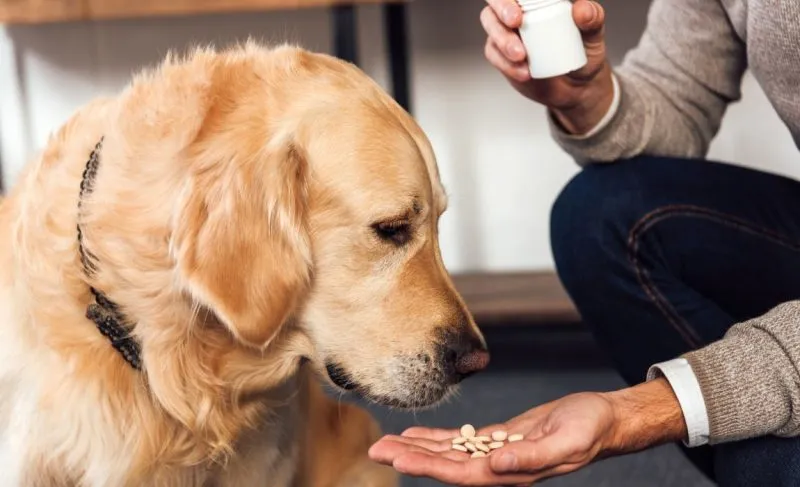
Photo: dog taking medication pill from owner at home, via www.k9ofmine.com
There was a time when refilling a dog's heartworm preventive meant a special trip: call the vet, wait for the approval, drive across town, sit in a lobby with a nervous golden retriever, and drive home with a single box. Today, a growing share of American pet owners never make that trip at all. The prescription arrives at their door, often bundled with flea and tick preventives, joint supplements, and the occasional treat.
The shift is easy to dismiss as a niche convenience. It is better understood as the logical extension of a transformation already underway in human pharmacy — one that reveals just how completely Americans have reorganized their expectations around doorstep delivery.
Pets Are Family, and Family Gets Prescriptions
The numbers explain the momentum. Pet ownership in the United States sits near record highs, with roughly two-thirds of households owning at least one animal. Veterinary care costs have climbed accordingly, and as pets live longer, they increasingly take medications humans would recognize: thyroid pills, insulin, anti-anxiety prescriptions, arthritis painkillers, and cardiac drugs.
Pet insurance, once a marginal product, has expanded rapidly — and many policies now cover prescriptions, pushing owners toward the same formulary-and-refill routines familiar from human healthcare. A senior cat on daily medication is, functionally, a chronic-care patient. The logistics that drove humans to mail-order pharmacy — refill synchronization, auto-shipping, lower prices — apply just as neatly to a twelve-year-old beagle.
The Three-Way Juggle
What makes pet prescriptions distinctive is the fragmented system behind them. Depending on the medication and the state, a pet owner might fill prescriptions through:
- The veterinary clinic itself, which often marks up prices but guarantees provenance;
- A human retail pharmacy, since many pet medications — amoxicillin, prednisone, even some compounded drugs — are identical to human formulations and can be filled at the corner drugstore;
- Online pet pharmacies, which compete aggressively on price and ship directly to the home.
This fragmentation creates exactly the kind of friction that delivery services thrive on eliminating. Owners juggling a vet's written authorization, a pharmacy's stock, and a monthly preventive schedule are precisely the customers who respond to a single automated shipment. The parallel to human medication nonadherence is striking: when refills are inconvenient, pets, like people, miss doses.
What It Says About Us
There is a broader cultural story here. The willingness to have a pet's seizure medication arrive by courier reflects how thoroughly delivery has become the default mode of American healthcare consumption. Convenience stopped being a luxury and became an expectation — first for groceries, then for human prescriptions, and now for the animals we treat as family members.
It also raises questions worth watching. Veterinary pharmacy regulation is thinner than its human counterpart, and online pet pharmacies vary widely in quality. Owners should verify that any mail-order pet pharmacy is properly licensed and requires legitimate prescriptions — the same vigilance we urge for human medications.
Still, the direction is unmistakable. The front porch is becoming the pharmacy counter for every member of the household, whiskers included.