The Expired Medication Drawer: Why Americans Cannot Stop Holding On — and How Predictable Delivery Breaks the Cycle
The Drawer Nobody Wants to Open
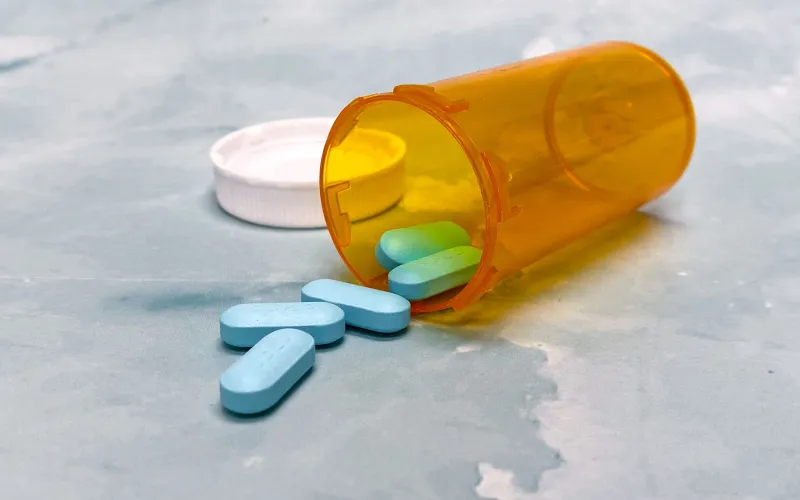
Somewhere in most American homes — tucked behind a bathroom mirror, buried in a kitchen junk drawer, or stacked in a bedroom nightstand — there is a collection of medications that have no business being there. Pill bottles with dates from several years ago. Half-finished antibiotic courses from illnesses long recovered. Blister packs of a prescription that was changed, discontinued, or simply forgotten. According to the U.S. Food and Drug Administration, a significant portion of American households hold onto expired or unused drugs for months or years after they are no longer needed.
This is not simply a matter of forgetfulness. It is a behavioral pattern with deep psychological roots, reinforced by a pharmacy infrastructure that, for decades, has made patients feel that holding a surplus was the only rational strategy. Understanding why this happens — and what it costs — is the first step toward changing it.
Fear as the Original Stockpile
The most consistent driver of medication hoarding is anxiety about running out. For patients managing chronic conditions — hypertension, diabetes, thyroid disorders, depression — the thought of missing even a single day of a critical medication can feel catastrophic. That fear is not irrational. Research consistently shows that gaps in medication adherence are associated with worsening health outcomes, hospitalizations, and in some cases, life-threatening complications.
But the traditional pharmacy model has long amplified that fear rather than resolved it. When a patient must remember to call in a refill, wait for insurance approval, drive to a physical location, and hope the medication is in stock — all before their current supply runs out — the safest-feeling response is to maintain a personal buffer. Keep a few extra bottles. Fill the prescription early whenever possible. Never let the supply drop below a certain threshold.
Over time, that buffer accumulates. Prescriptions change. Dosages are adjusted. Medications are discontinued. The buffer remains. And because disposing of medications carries its own complications, the outdated supply simply stays where it is.
The Shame and Confusion of Disposal
One underappreciated reason Americans hold onto expired medications is that they genuinely do not know what to do with them — and feel embarrassed to admit it.
For years, the default advice was to flush unwanted medications down the toilet or rinse them down the drain. Environmental science has since made clear that this practice carries real consequences. Studies conducted by the U.S. Geological Survey and the Environmental Protection Agency have detected pharmaceutical compounds — including hormones, antibiotics, and antidepressants — in waterways across the country. These compounds have been linked to disruptions in aquatic ecosystems and, in some research, to concerns about long-term human exposure through drinking water.
The alternative — drug take-back programs — exists but remains inconsistently accessible. The Drug Enforcement Administration coordinates National Prescription Drug Take Back Days twice yearly, and many pharmacies now operate year-round collection kiosks. Yet awareness of these programs remains limited, and for patients in rural areas or those with mobility constraints, traveling to a collection site presents its own barriers. The result is inertia. The medications stay in the drawer because disposing of them feels complicated, and keeping them feels harmless.
It is not harmless. Expired medications can degrade into compounds with altered chemical profiles. Some, like certain liquid antibiotics and tetracyclines, are documented to lose potency or change composition in ways that affect safety. Beyond individual risk, the sheer volume of pharmaceutical waste sitting in American homes represents an ongoing environmental and public health liability.
The Environmental Ledger
The scale of this problem is difficult to overstate. The DEA's most recent National Prescription Drug Take Back events have collectively recovered millions of pounds of medications from Americans who chose to participate — and those participants represent only a fraction of households with surplus drugs on hand. Independent estimates suggest that tens of millions of pounds of pharmaceutical waste remain in American homes at any given time, with a meaningful portion eventually entering landfills or waterways through improper disposal.
Subscription-based home delivery services, by their design, address one of the structural causes of this accumulation: the impulse to over-order. When patients know with certainty that their next supply will arrive on schedule — calibrated to their actual consumption rate — the psychological pressure to maintain a large personal buffer diminishes substantially. There is no longer a reason to fill a 90-day supply when a 30-day supply is already on its way.
How Predictable Delivery Reframes the Relationship With Medication
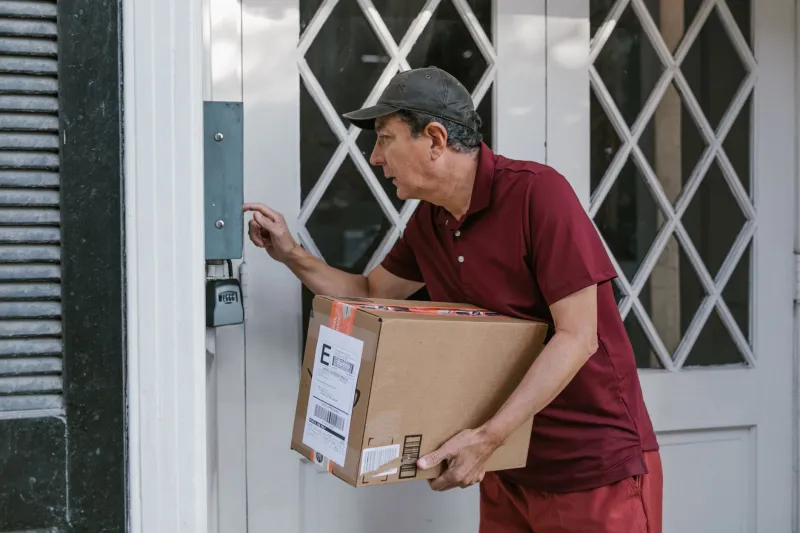
The core promise of a home delivery pharmacy model is not merely convenience. It is reliability — and reliability is precisely what dismantles the hoarding impulse.
When a patient receives their medications on a consistent schedule, synchronized to their actual usage, the fear of running out becomes largely theoretical. Automated refill systems, proactive shipment notifications, and direct pharmacist communication create a supply chain that patients can trust without managing manually. The need to stockpile dissolves because the infrastructure has absorbed that responsibility.
This shift also reduces the likelihood of accumulating outdated medications in the first place. Smaller, more frequent deliveries mean that what arrives gets used before it expires. Prescription changes are reflected in the next shipment rather than leaving a patient with a cabinet full of the old formulation. The medication lifecycle becomes cleaner, more deliberate, and easier to manage.
For patients who do find themselves with surplus or expired medications, many home delivery services provide guidance on proper disposal — including information on local take-back locations and, in some cases, prepaid mail-back envelopes for unused drugs. This removes the confusion that so often leads to indefinite storage.
Breaking the Cycle, Practically
For patients ready to address the medication accumulation that has built up over years, a few practical steps can help initiate the process.
First, conduct an honest audit of what is currently on hand. Check expiration dates, identify medications that are no longer prescribed, and separate what is current from what is not. Second, locate a nearby drug take-back kiosk — the DEA's online locator tool provides a searchable map of authorized collection sites — and commit to a disposal date. Third, speak with a pharmacist about right-sizing future supply quantities to match actual consumption, rather than defaulting to the largest available fill.
Finally, consider whether the underlying anxiety driving over-accumulation might be better addressed through a more reliable delivery arrangement. A pharmacy that delivers on a predictable schedule, monitors refill timing, and communicates proactively about supply removes the conditions that make hoarding feel necessary.
A Cleaner Medicine Cabinet Starts With a Better System
The expired medication problem in American households is not primarily a failure of individual discipline. It is the predictable outcome of a pharmacy system that placed the burden of supply management entirely on patients — and then offered them no reliable safety net when that management failed.
Addressing it requires changing the system, not simply the behavior. Home delivery, when built around genuine reliability and patient-centered communication, offers that change. The goal is not merely a tidier bathroom cabinet. It is a healthcare relationship in which patients receive exactly what they need, when they need it — and never feel compelled to hoard against uncertainty again.