Heat, Thieves, and Curious Hands: The Untold Journey of a Prescription Left at Your Door
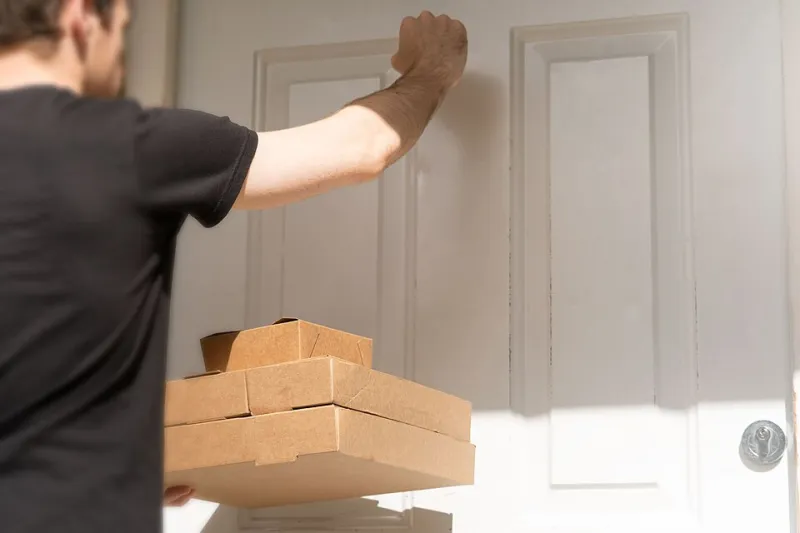
Photo: Meanwell Packaging, CC BY 2.0, via Wikimedia Commons
The notification arrives on your phone at 2:14 PM: Delivered. Somewhere between your driveway and your front door, a package containing a thirty-day supply of blood pressure medication is now sitting in the direct afternoon sun, unattended, on a porch visible from the street.
For the growing number of Americans who receive prescriptions by mail — a figure that has climbed steadily as insurers steer patients toward mail-order programs — that moment of delivery marks a blind spot in an otherwise carefully managed supply chain. Pharmacies monitor temperature during transit. Carriers track every scan. But once the driver walks away, your medication is on its own.
The Heat You Can't See
Most prescription labels carry a familiar instruction: store at room temperature, roughly 68 to 77 degrees Fahrenheit. A closed porch in July in Phoenix, Atlanta, or Dallas can easily exceed 130 degrees. Even a shaded doorstep in a humid Southern summer can push past safe thresholds within hours.
The consequences are not always visible. Insulin, certain biologics, inhalers, and thyroid medications can lose potency when exposed to temperature extremes, and that degradation doesn't announce itself. A patient may continue taking the correct dose of a drug that is quietly working at half strength — a problem that looks, to both patient and physician, like a treatment failure rather than a storage failure.
Insulated packaging helps, but most standard mail-order shipments are not designed to withstand an entire afternoon on a hot porch. The window between delivery and retrieval matters more than most patients realize.
Porch Pirates and Prescription Prices
Package theft has become a background hum of American e-commerce life, but stolen medication carries stakes that a stolen pair of headphones does not. A missing shipment of opioids or stimulants is a controlled-substance loss that can require police reports, insurer intervention, and days without treatment. Even a stolen bottle of antidepressants represents a replacement delay, a possible early-refill denial, and a gap in therapy.
Thieves rarely know what they are taking, which is small comfort. The bigger issue is practical: a stolen prescription often cannot simply be replaced at will, particularly for controlled substances, where refill timing is tightly regulated.
When the Danger Is Small and Curious
Perhaps the most serious risk is also the least discussed. Every year, poison control centers across the United States respond to tens of thousands of calls involving children and medications found within reach. A delivery left at the door of a home with young children — or grandchildren visiting on the weekend — introduces an unattended hazard that no lockbox on the medicine cabinet was designed to address. Child-resistant caps slow children down; they do not stop a determined four-year-old with time and privacy.
Practical Defenses Every Patient Can Use
The good news is that most of these risks are manageable with a few deliberate habits:
- Choose your delivery window. Many mail-order pharmacies and carriers offer delivery-day selection, scheduled windows, or text alerts. Pick a day when someone will be home.
- Request signature confirmation for high-value or controlled-substance prescriptions. It adds friction, but it guarantees the package never sits unattended.
- Use a smart locker or secured drop box. Insulated, lockable delivery boxes designed for medication shipments are increasingly affordable and can sit in a shaded, discreet location.
- Redirect to pickup points. Carrier hold-for-pickup options and pharmacy lockers keep medications in climate-controlled, supervised spaces until you arrive.
- Bring shipments inside immediately. Make retrieval part of a routine, the same way you would collect groceries on a hot day.
- Ask about cold-chain packaging if your prescription requires refrigeration, and confirm how long the packaging maintains safe temperatures.
A Shared Responsibility
None of this shifts blame onto patients. Delivery networks, carriers, and pharmacies all share responsibility for the final — and most vulnerable — leg of a medication's journey. But until doorstep standards catch up with delivery volumes, awareness is the patient's best protection. Your prescription traveled hundreds of miles under careful watch. The last thirty feet deserve the same attention.