Your Bathroom Cabinet Is Destroying Your Medication: The Science of Storage Most Patients Never Learn
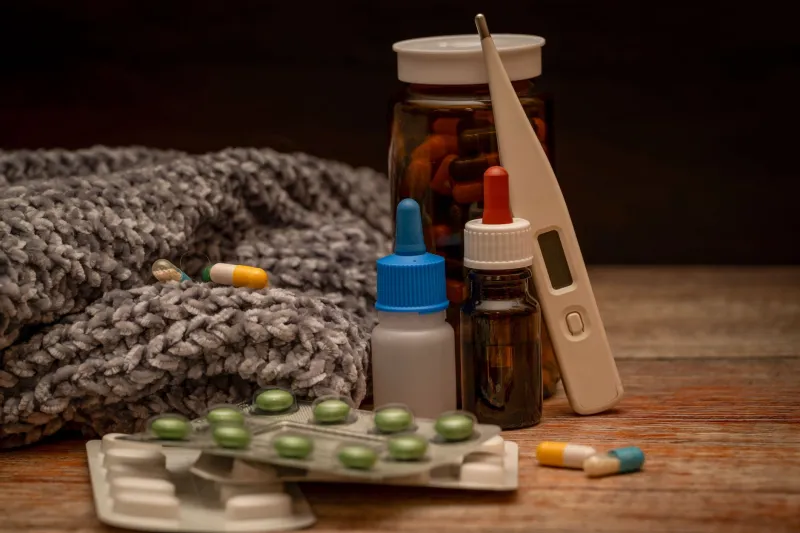
The name itself is almost self-defeating. The medicine cabinet—that mirrored fixture mounted above the bathroom sink in tens of millions of American homes—has become the default repository for prescriptions, over-the-counter drugs, vitamins, and anything else loosely categorized as health-related. It is where medications go because it is where medications have always gone. And it is, according to pharmacists and pharmaceutical chemists, among the worst places in an average home to store them.
This is not a minor technicality. The degradation of active pharmaceutical ingredients due to improper storage conditions is a documented, measurable phenomenon with real consequences for patients whose treatments depend on consistent, predictable drug potency.
Why the Bathroom Is a Pharmaceutical Hazard Zone
Every shower, every bath, every running faucet contributes to an environment of elevated humidity. Bathrooms in typical American homes regularly reach relative humidity levels of 70 to 90 percent during and after use. Standard pharmaceutical storage guidelines—those published by the United States Pharmacopeia, which sets the national standards for drug quality—specify that most medications should be stored at controlled room temperature with relative humidity not exceeding 60 percent.
The gap between those standards and the typical bathroom environment is not trivial. Moisture accelerates the hydrolysis of many active compounds, breaking molecular bonds and converting drug molecules into degradation products that may be pharmacologically inert or, in some cases, chemically distinct from the original compound. Aspirin, for example, hydrolyzes into salicylic acid and acetic acid in the presence of moisture—which is why old aspirin tablets sometimes smell faintly of vinegar. Amoxicillin and other beta-lactam antibiotics are particularly sensitive to humidity-driven degradation. Certain antidepressants and antipsychotics show measurable potency loss under sustained moisture exposure.
The physical signs of this degradation—tablets that crumble, capsules that stick together, liquids that discolor—are visible indicators of a process that may have been occurring invisibly for weeks before the problem becomes apparent.
Heat: The Variable Most Patients Underestimate
If the bathroom is the most culturally entrenched bad storage choice, the automobile is the most seasonally dangerous. American patients regularly leave prescription medications in glove compartments, center consoles, and trunks—environments that can reach internal temperatures of 130 to 170 degrees Fahrenheit on warm summer days.
The kinetics of chemical degradation respond predictably to temperature. A principle known as the Arrhenius equation describes how reaction rates approximately double for every 10-degree Celsius increase in temperature. In practical terms, this means that a medication left in a hot car for a single afternoon may experience degradation equivalent to weeks of storage at room temperature.
The drugs most acutely vulnerable to heat include biologics and insulin, which can denature and lose efficacy entirely if exposed to temperatures above recommended ranges. Nitroglycerin tablets, commonly prescribed for angina, are highly volatile and lose potency rapidly with heat exposure. Many liquid suspensions and topical formulations also demonstrate accelerated breakdown under thermal stress. Epinephrine auto-injectors—carried by patients with severe allergies and relied upon in life-threatening emergencies—are known to degrade when subjected to temperature extremes, raising the possibility that a device assumed to be functional may not perform as expected when it is needed most.
Light Exposure and the Windowsill Problem
The sunny kitchen windowsill, appealing as a visible reminder to take one's morning medication, introduces a third degradation pathway: photolysis. Ultraviolet and visible light energy can break chemical bonds within drug molecules, altering their structure and reducing potency.
Many pharmacies dispense medications in amber-colored bottles specifically to filter out light wavelengths most likely to cause photodegradation. Placing those bottles in direct sunlight partially defeats the purpose of that packaging. Medications particularly sensitive to light include certain antibiotics such as doxycycline and ciprofloxacin, methotrexate, and a range of liquid formulations including some oral suspensions and injectable preparations.
Patients who use pill organizers—a common strategy for managing complex multi-drug regimens—should be aware that most organizers offer no light protection whatsoever, and that medications transferred from amber bottles into clear plastic compartments may be exposed to degrading light throughout the day.
The Real Cost of Degraded Medications
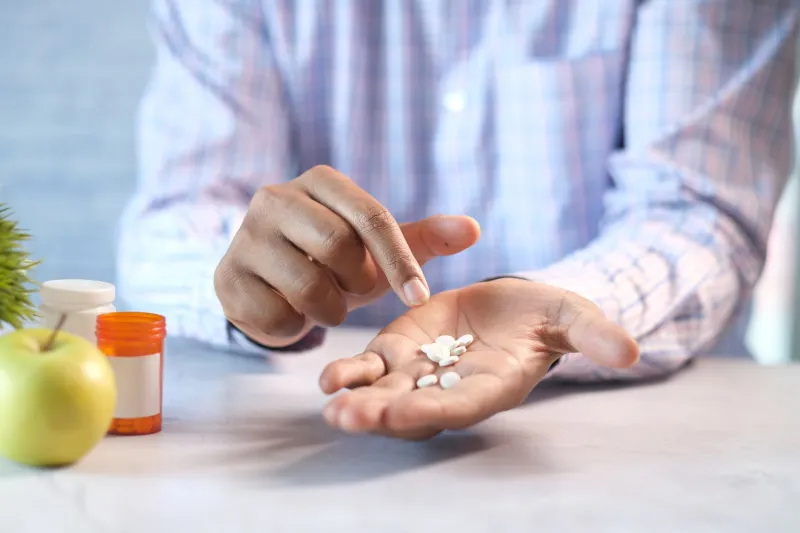
When a medication loses potency due to improper storage, the patient taking it is, in effect, receiving a lower dose than prescribed. For some medications, this produces no immediately perceptible effect—until a condition that was previously controlled begins to drift out of range. Blood pressure that was managed may begin to rise. Blood glucose that was stable may become erratic. Seizure thresholds may shift in ways that are invisible until they are not.
Patients experiencing this kind of treatment drift often do not connect it to their storage practices. They may report to their physician that their medication no longer seems to be working, prompting dose adjustments or prescription changes—interventions that address the symptom rather than the underlying cause. The financial cost of unnecessary medication changes, additional physician visits, and the prescriptions themselves adds a measurable economic dimension to what began as a storage error.
Professional Storage Standards and the Delivery Advantage
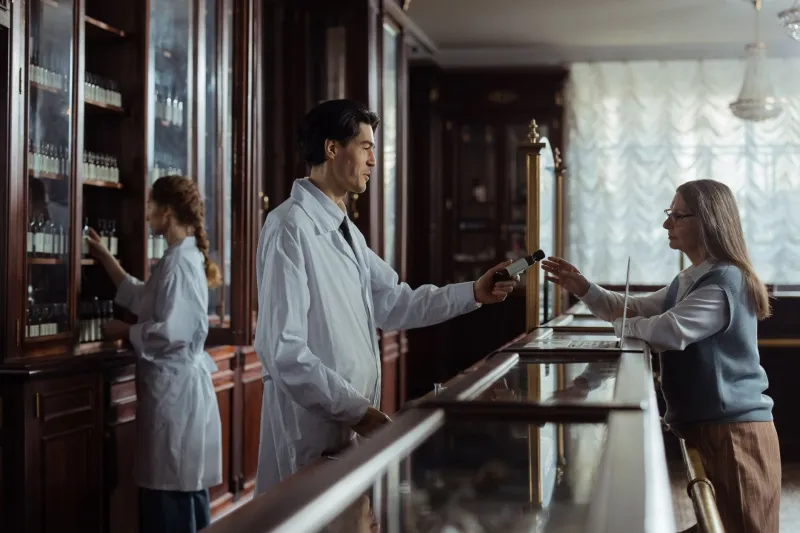
Licensed pharmaceutical dispensing facilities operate under storage requirements far more stringent than any home environment can realistically achieve. Temperature-controlled warehousing maintains medications within the narrow ranges specified by manufacturers and regulatory standards. Humidity is actively managed. Light exposure is minimized through appropriate packaging and facility design. Cold chain protocols—the continuous refrigeration management required for biologics, certain vaccines, and temperature-sensitive specialty drugs—are maintained throughout the handling and shipping process.
At MedDelivered, medications are stored in climate-controlled facilities and shipped in packaging designed to buffer temperature fluctuations during transit. Thermally insulated packaging, cold packs calibrated for seasonal conditions, and expedited shipping for temperature-sensitive medications are components of a logistics model built around the chemical requirements of the drugs being transported, not merely the convenience of the carrier.
The moment a medication arrives at a patient's door, it transitions from a professionally managed environment to whatever the patient's home provides. That transition is unavoidable. But the duration of that transition—from dispensing facility to patient—is substantially shorter with home delivery than with a medication that has spent days or weeks on a retail pharmacy shelf, and the conditions during transit are more reliably controlled than those in a car trunk or a bathroom cabinet.
Where Medications Actually Belong
The United States Pharmacopeia recommends storing most medications in a cool, dry, dark location—away from sinks, stoves, windows, and the interior of vehicles. Bedroom drawers, linen closets, and dedicated storage boxes in climate-stable rooms of the home are generally more appropriate than the bathroom cabinet that bears the name.
Refrigerated medications should be stored in the main compartment of a household refrigerator, not the door, where temperature fluctuations are greater. They should never be stored in the freezer unless the prescribing information explicitly specifies freezing.
For patients managing complex medication regimens, understanding these guidelines is not merely academic. It is a practical dimension of treatment that directly influences whether the drugs they are taking are performing as intended—or quietly failing them in ways that may take months to become apparent.